Professional Waxing Supplies Guide
A missed strip, a heater that runs too hot, or the wrong wax for the treatment area can turn a routine service into wasted product and unhappy results. A professional waxing supplies guide matters because waxing performance depends on the full system, not just the wax itself. If you want cleaner removal, better client comfort, and stronger value per treatment, every supply choice has to work together.
For salons, that means buying with consistency, speed, hygiene, and margin in mind. For home users, it means choosing professional-grade products that are simple enough to use correctly and reliable enough to repeat. In both cases, the goal is the same – effective hair removal with fewer complications and better skin feel after the service.
What a professional waxing supplies guide should help you choose
The first decision is not brand or fragrance. It is system. Some buyers start with soft wax because it feels familiar, then realize they also need the right strips, heater format, and pre-wax skin prep to get the result they expected. Others buy hot wax for sensitive zones without checking whether the melting time, elasticity, and application style match their workload.
A useful professional waxing supplies guide starts by matching the waxing method to the treatment area, hair type, service volume, and user skill level. That is the difference between buying products and building a working setup.
Soft wax and roll-on systems
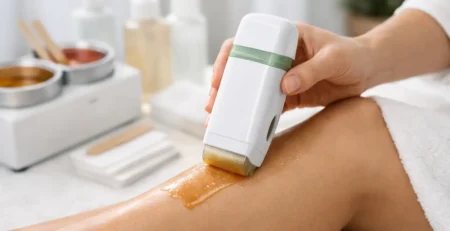
Soft wax is often the most efficient option for large areas such as legs, arms, chest, and back. It spreads thinly, removes quickly with strips, and supports fast service flow in busy salons. Roll-on cartridges make this even more practical because application stays controlled and clean, with less waste than manual spatula use.
For professionals, roll-on systems are strong on speed and consistency. For home users, they reduce mess and make it easier to apply an even layer. The trade-off is that soft wax is not always the best choice for coarse hair or intimate areas, where stronger grip can mean more discomfort if the formula is not specifically developed for sensitive skin.
Hot wax for precision and sensitive areas
Hot wax is a staple for facial waxing, underarms, bikini services, and intimate waxing. It grips the hair more firmly while often adhering less aggressively to the skin, which can improve comfort when the formula is high quality and the temperature is correct. This is why many waxing professionals rely on hot wax for detailed work and shorter, stronger hair.
Not all hot wax performs the same way. Some formulas are more elastic and forgiving, while others set faster and suit experienced users who need speed. If you are buying for a salon team, consistency matters more than novelty. A stable Made in Italy professional formula with dependable texture often brings better long-term value than chasing the cheapest option.
Sugar paste and alternative systems
Sugar paste appeals to buyers who want a different hair removal approach, especially for sensitive skin or more ingredient-conscious routines. It can work well, but technique matters. A salon with trained staff may find it a profitable specialty service. A beginner at home may find it less intuitive than roll-on wax or a straightforward hot wax formula.
This is a good example of where it depends. The best system is not the one with the broadest appeal. It is the one your hands can use properly and your clients or skin type respond to consistently.
The supplies that make or break the result
Wax gets the attention, but accessories often decide whether the service feels professional. Poor prep, unstable temperature, and weak aftercare can undermine even excellent wax.
Wax heaters are not all interchangeable
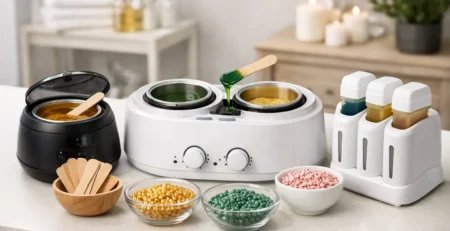
A heater should hold temperature steadily, recover heat quickly, and match the wax format you use most. Pot heaters suit hot wax and traditional soft wax tins. Cartridge heaters are ideal for roll-on systems and are especially useful when speed and cleanliness matter.
If you are buying for salon use, heater reliability affects service timing and product waste. If temperature fluctuates, wax becomes too thick or too runny, and application suffers. For home users, an easy-control heater can make the difference between confidence and frustration. Paying slightly more for a stable professional unit usually saves money over time.
Pre-wax products are part of the treatment
Skin should be clean, dry, and balanced before wax touches it. Pre-wax cleansers remove residue, oil, and surface impurities that interfere with adhesion. In some cases, a light pre-wax oil is useful under hot wax, particularly on sensitive zones, but only when the wax is designed to work with that method.
Skipping prep often looks harmless until the strip lifts unevenly or the wax breaks. Salons know this costs time. Home users usually notice it as patchy results and repeated passes, which can increase irritation.
Spatulas, strips, gloves, and disposables
These are basic supplies, but basic does not mean unimportant. Strips should have the right density and grip for the wax type. Spatulas should apply cleanly without dragging. Gloves support hygiene and speed, especially during intimate waxing or high-volume appointments.
For salons, disposables also affect presentation. Clients notice whether treatment feels organized. For home users, quality accessories reduce the learning curve. This is one of the easiest places to avoid false savings. Cheap accessories often create expensive problems.
Post-wax care protects the service result
Post-wax lotions, oils, gels, and soothing treatments help remove residue, calm the skin, and support a better finish. They are also part of the value perception. A well-finished service feels more complete and professional.
If redness, stickiness, or dryness lingers after waxing, the issue may not be the wax alone. It may be that aftercare is too weak or mismatched to the treatment. For clients buying retail aftercare, this is also a strong repeat-purchase category because results continue after they leave the salon.
How to build the right kit for salon or home use
A salon should buy for service flow, treatment variety, and inventory efficiency. That usually means combining systems rather than relying on one wax for every area. A practical setup could include roll-on cartridges for large body zones, hot wax for intimate and facial services, a dependable heater for each format, pre- and post-wax treatments, and enough accessories to maintain hygiene at scale.
A home user usually needs less variety but should still think in systems. One heater, one easy wax format, suitable strips if required, and proper prep and aftercare products are usually enough to start well. Buying professional-grade products does not mean making the routine complicated. It means using formulas and tools that perform predictably.
Buying for quality, not just price
Every buyer likes a deal, but low price only works when performance holds. In waxing, poor product quality shows up fast – uneven spread, breakage, residue, repeated applications, and reduced client comfort. Those problems increase product consumption and lower trust in the service.
This is why professional buyers often look for direct-from-manufacturer value and reliable European cosmetic standards. Made in Italy waxing products have strong appeal because they combine formulation expertise, professional positioning, and competitive pricing when sourced well. For salons and retailers, that can improve both treatment results and resale confidence.
AmicaMia Shop focuses on this exact balance – professional waxing solutions, broad category coverage, and fantastic prices built around quality-driven Made in Italy supply.
When private label and bulk supply matter
For salons expanding retail sales or retailers building a specialized hair removal range, supply flexibility matters almost as much as formula quality. Private label options, customized branding, and scalable ordering can create stronger margins and better market positioning. The product still has to perform, but the commercial advantage grows when the line also supports your brand identity.
This is not relevant for every buyer. A solo esthetician may only need dependable stock and fast replenishment. A multi-location salon or beauty retailer may need a supplier that can support growth, consistency, and custom branding without sacrificing product standards.
Choosing with the end result in mind
The best professional waxing supplies guide is not the one with the longest product list. It is the one that helps you buy fewer, better-matched products for the way you actually work. If you run a salon, choose supplies that improve speed, hygiene, and repeatable treatment quality. If you wax at home, choose professional systems that simplify the process rather than complicate it.
Better waxing starts before the first application. It starts with buying products that are made to perform together, treatment after treatment.